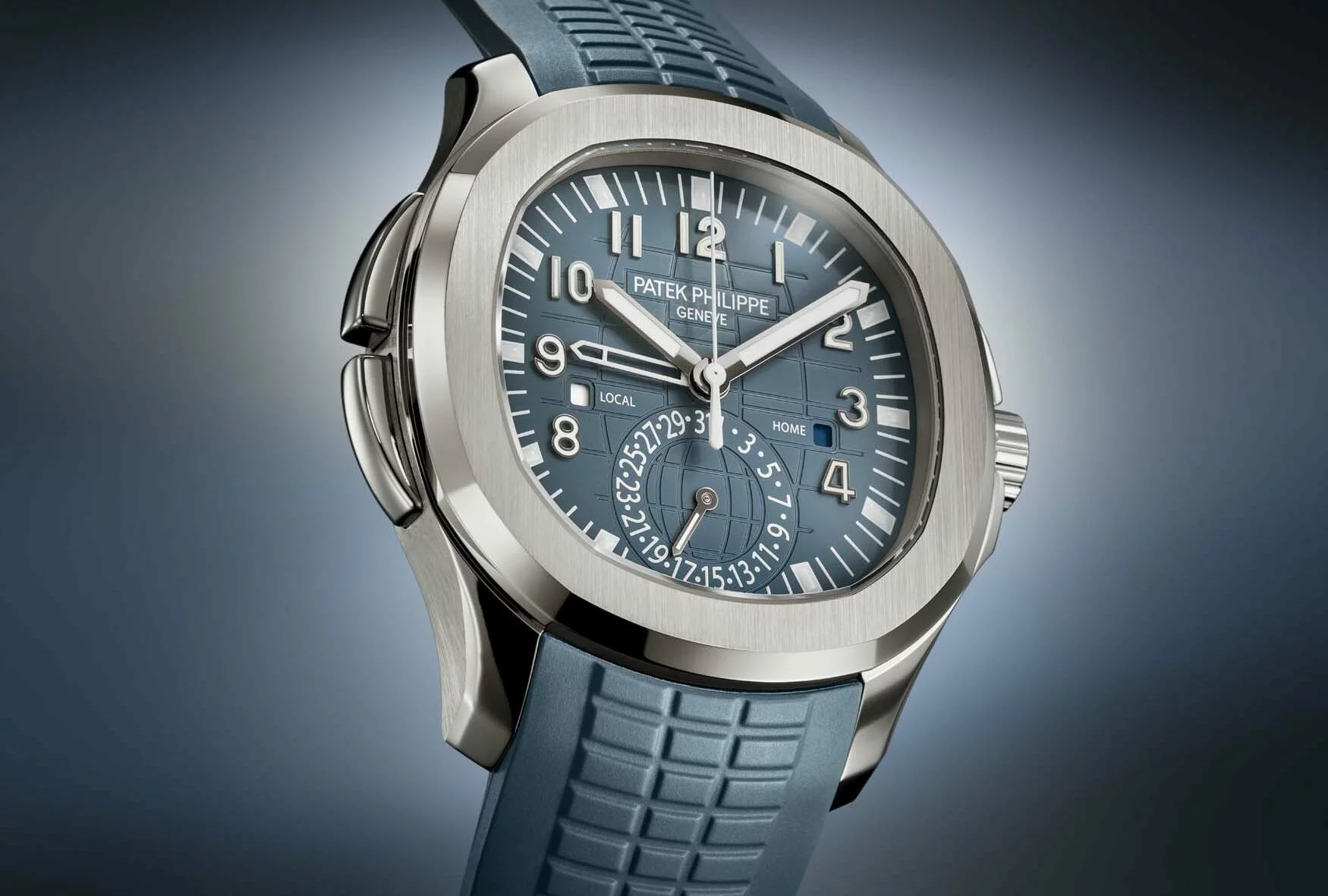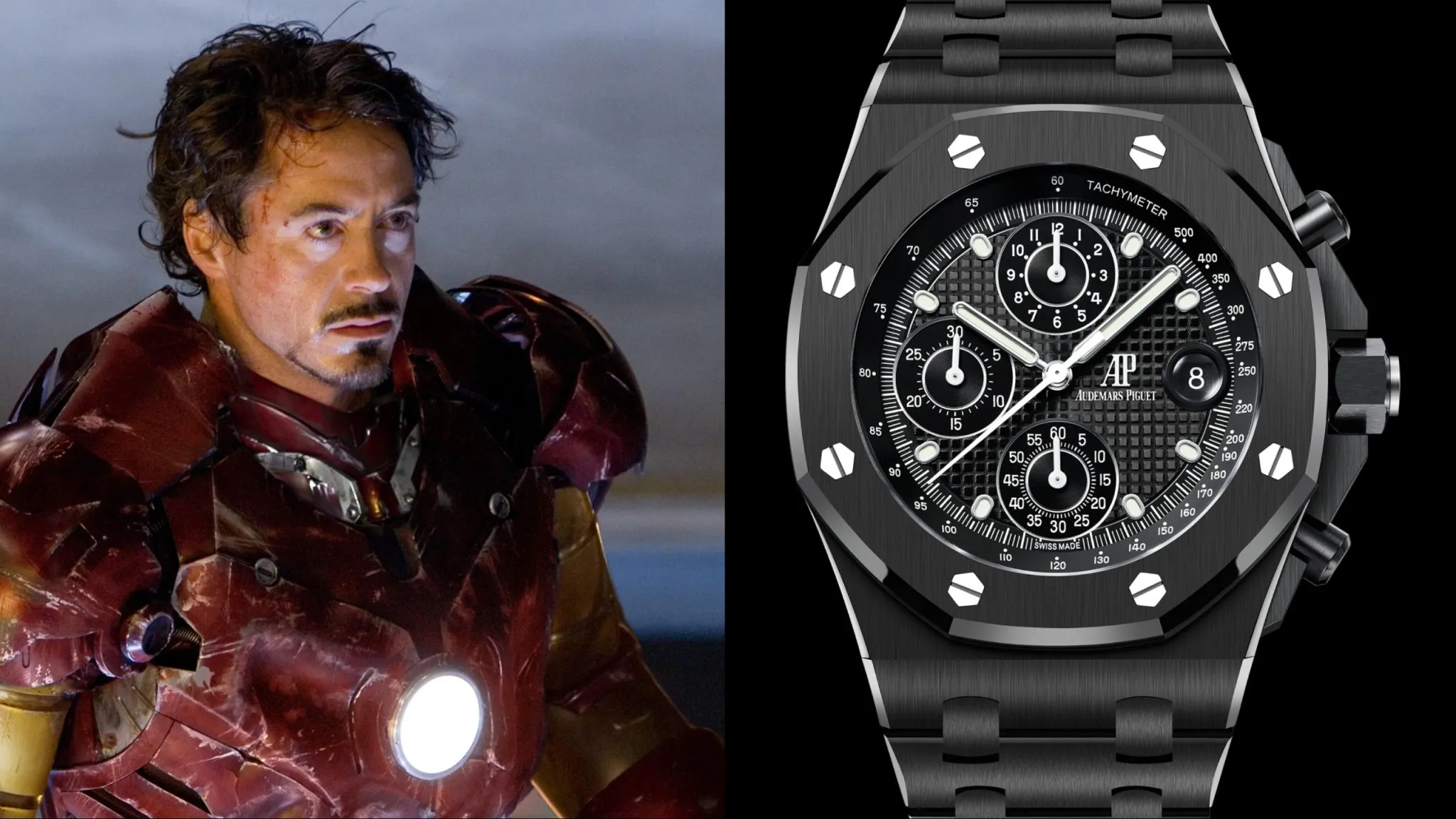

The Royal Oak Offshore is often described with cinematic metaphors, but its appeal does not need a fictional superhero to explain it. The original design takes the Royal Oak’s octagonal bezel and integrated-watch vocabulary and gives them a larger, more physical presence. The pushers, guards, bezel gasket and broad strap attachment make it look engineered for an active life, even when the watch is being judged as a design object rather than tested in water or on a racetrack.
For someone comparing Audemars Piguet Royal Oak Offshore replica details, the interesting question is not whether a watch looks bold in a studio photograph. It is how its many projecting surfaces relate to one another. A bezel that appears slightly too wide changes the dial aperture; a thick pusher guard changes the silhouette; an overlong strap attachment changes the way the whole case appears on the wrist.

Reading the case from the outside inward
Begin with the bezel. Its flat planes and eight fasteners create a deliberate rhythm around the dial. Moving inward, check whether the chapter ring and sub-dials have enough space; moving outward, notice whether the case flank becomes unwieldy. The Offshore has existed in many sizes and materials, so there is no single numerical template that fits every reference. Offshore case and bezel proportions must be compared against the correct reference rather than against a different generation picked for convenience.
That distinction becomes clearer when examining the darker ceramic-oriented Offshore example shown below. It is included as a separate model-family comparison, not as another photograph of the watch pictured above. Matte surfaces, darker tones and contrasting edges distribute the eye differently from highly polished steel or gold. Similar model names do not mean identical case construction.

The pushers and crown area deserve their own inspection. On an Offshore chronograph, these components project well beyond the central case. Their shape is integral to the design: a pusher too close to the crown or a guard with the wrong curvature can make a watch look crowded. These are differences that readers can identify in clear side views without pretending to have dismantled or worn the watch.
Comparing photographs without making unsupported claims
Photographs on replica-watch sites sometimes use the word “Swiss” or quote original-manufacturer technical specifications as if they applied automatically to the pictured watch. They do not. Original Offshore movement specifications, official water-resistance ratings and genuine material descriptions refer to an identified AP reference. They should only be attributed to a replica if independently documented for that individual product.
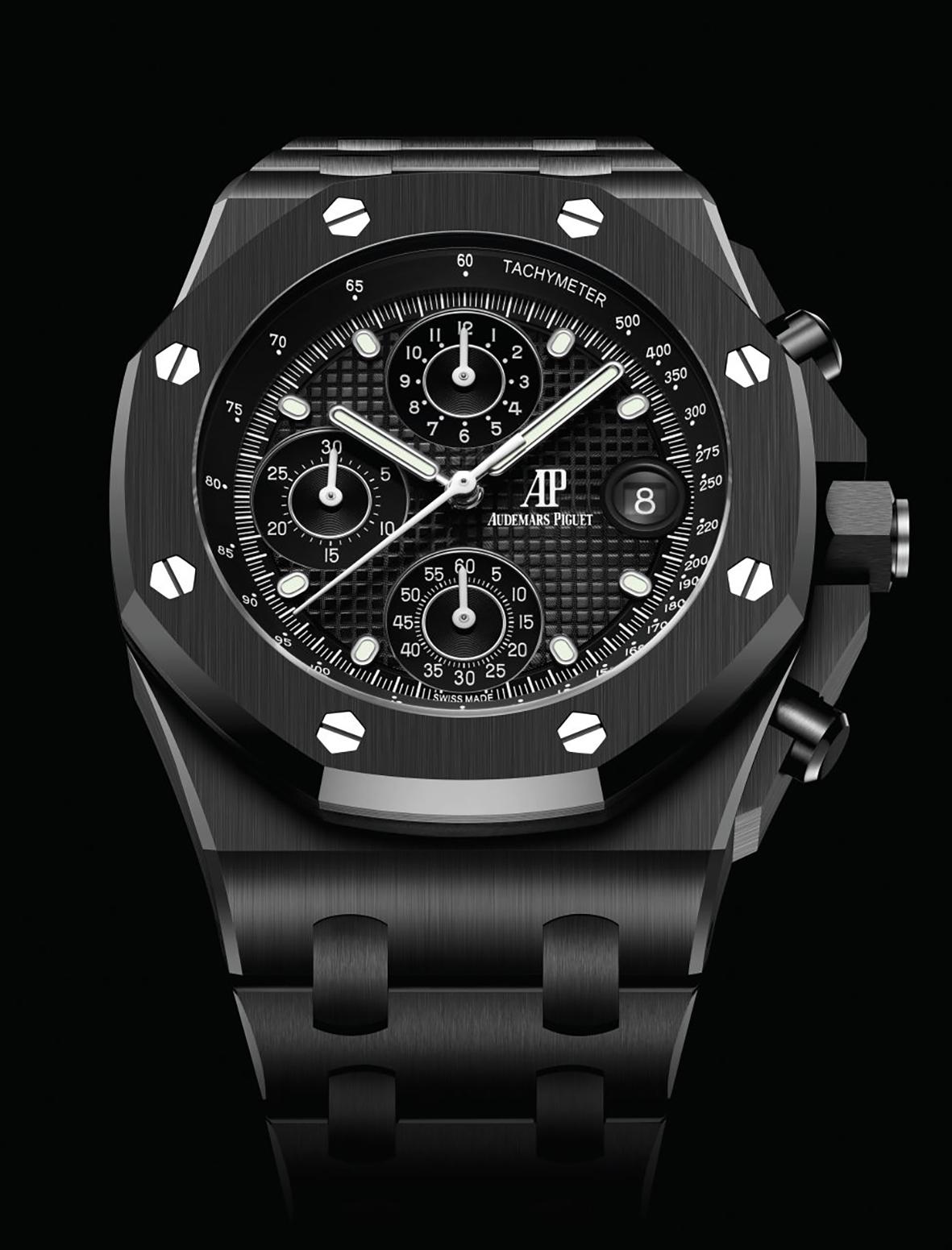
The third image offers another Offshore-family reference for shape comparison. Pay particular attention to the angle of the bezel and the transition into the strap rather than assuming all three examples represent the same generation. The Offshore is a collection in which reference accuracy matters.
CheapWatches uses the home editorial index to connect wider watch-design subjects, while its Audemars Piguet archive collects models that deserve separate discussion. The Offshore is a strong place to start because its bold design makes both convincing details and obvious compromises easier to see.