Category: Royal Oak

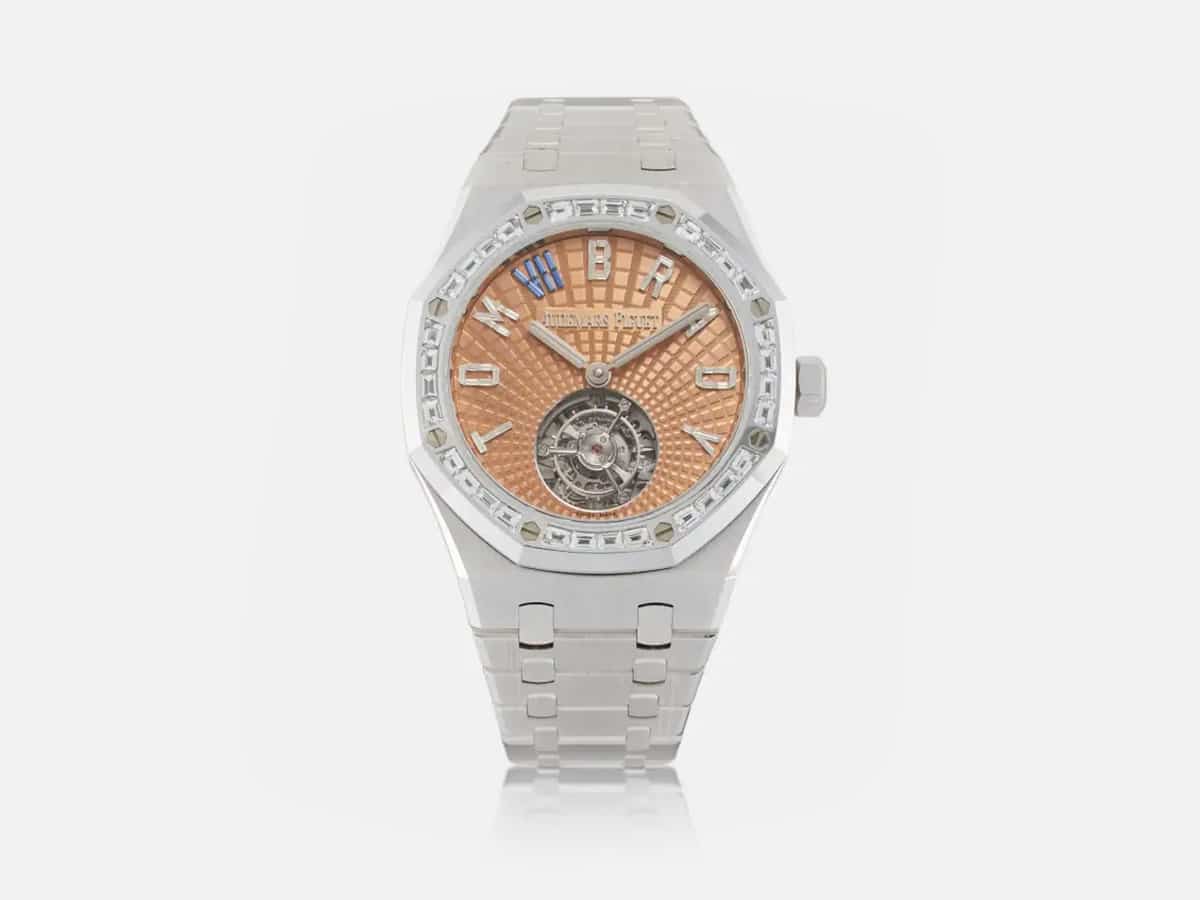
The Royal Oak is an exercise in continuous geometry. The octagonal bezel matters, but the more demanding detail is the transition from case to integrated bracelet. Link shape, taper and contrasting surface finishes determine whether the watch looks coherent when viewed from the side as well as head-on.

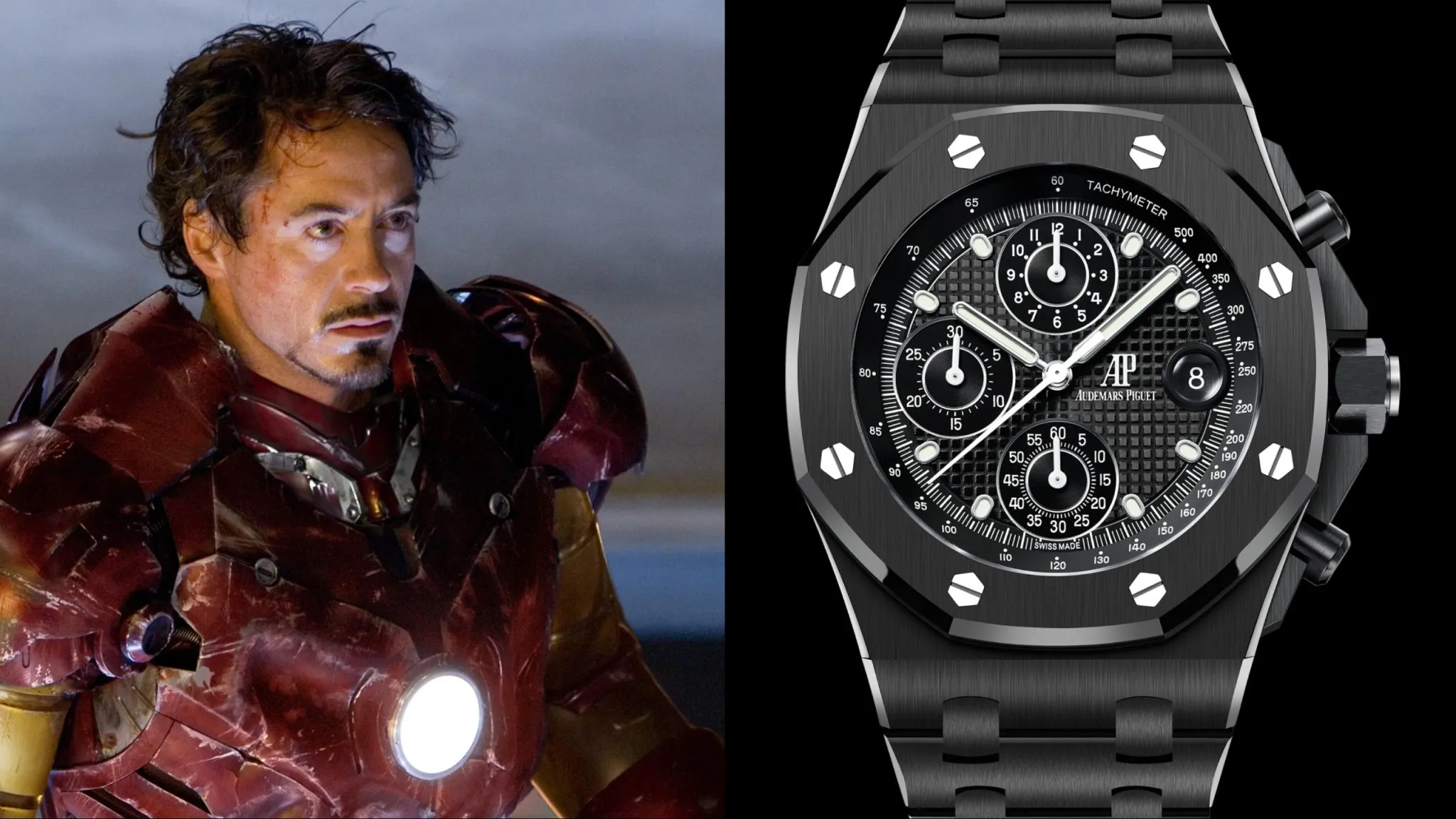
This archive brings together standard Royal Oak references, complication stories and replica design observations. Some articles also touch on Royal Oak Offshore, whose larger case and layered dial make a different visual argument. For that distinction, our Offshore proportions discussion offers a useful counterpoint.

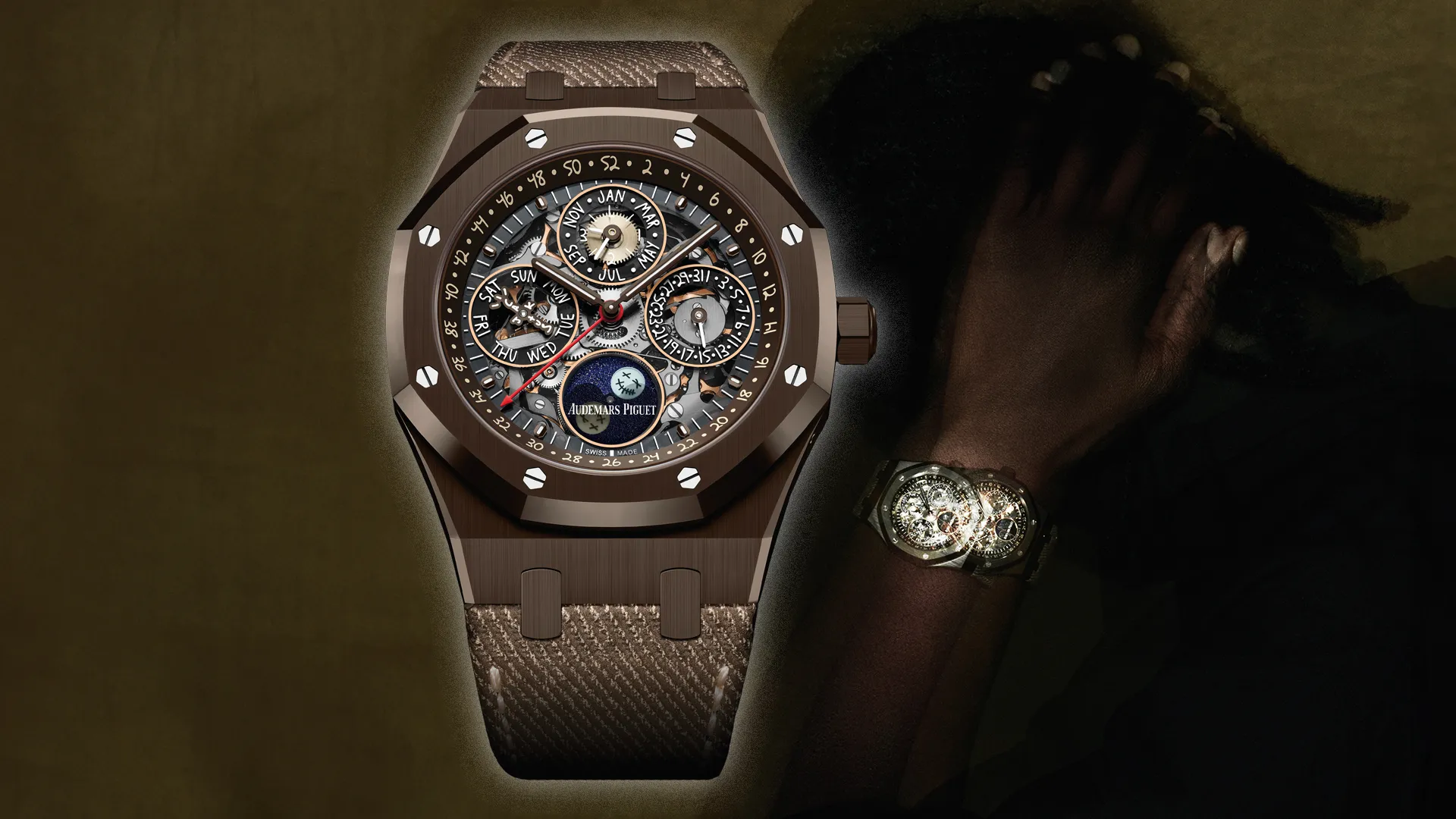
Our Royal Oak articles also extend into Offshore, Royal Oak Concept, calendars, frosted-gold surfaces and high-profile collaborations. That variety makes a blanket rating of ‘Royal Oak replicas’ unhelpful: a thin integrated-bracelet watch should be examined differently from a large ceramic chronograph. The Offshore proportion study provides a focused entry point, while the Code 11.59 section demonstrates another AP case language.

Why Royal Oak Offshore Proportions Matter More Than Hype

The Royal Oak Offshore is often described with cinematic metaphors, but its appeal does not need a fictional superhero to explain it. The original design takes the Royal Oak’s octagonal bezel and integrated-watch vocabulary and gives them a larger, more physical presence. The pushers, guards, bezel gasket and broad strap attachment make it look engineered